

Reliable heating is essential during cold Susquehanna Valley winters. Many homeowners in Lancaster, York, and Lebanon counties rely on furnaces to keep their homes comfortable during the cold months. While it may seem logical to install a larger furnace to increase warmth, a system that is too large for your home can actually create comfort problems and increase energy costs.

An oversized furnace may heat a home too quickly, leading to frequent cycling, uneven temperatures, and unnecessary strain on the system.
Below, we explain how an oversized furnace affects performance, warning signs to watch for, and improvement options for homeowners.
Why Furnace Size Matters in Southeast Pennsylvania Homes
Furnaces are designed to run in cycles that distribute warm air evenly throughout the home. When a furnace is oversized, it produces more heat than the home requires and reaches the point you’ve set on the thermostat too quickly. Then, the system shuts off before heat can be properly distributed.
In Lancaster County, this issue is especially common in:
- Older homes that have been upgraded with insulated windows
- Homes that received furnace replacements without updated load calculations
- Houses with finished basements or additions added after installation
Proper sizing ensures comfort, efficiency, and long-term system reliability during chilly days and frigid Pennsylvania winter nights.

Common Signs of an Oversized Furnace
Short Cycling
One of the most common signs of an oversized furnace is short cycling. The system turns on, runs briefly, shuts off, and then restarts shortly after. This frequent cycling increases wear on components and reduces efficiency.
Uneven Heating
Rooms may feel warm near vents but remain cooler in other areas. Because the furnace shuts off quickly, heat does not have time to circulate evenly.
Higher Energy Bills
Even though the furnace runs for shorter periods, frequent startups use more energy. Oversized systems are often less efficient than properly sized equipment.
Excessively Dry Indoor Air
Short run times reduce proper air circulation and humidity balance. This can lead to dry air, static electricity, and discomfort during winter. Germs and viruses flourish in cold, dry winter air, as well.
Increased System Noise
Larger furnaces often produce stronger airflow, which can result in louder operation noise, especially in duct systems not designed for higher output.
Why Oversized Furnances Are Common in Older Lancaster Homes
Many oversized furnaces were installed years ago based on square footage estimates rather than precise measurements. Over time, improvements such as insulation upgrades, window replacements, and air sealing reduce heating demand.
Without accounting for these changes, a furnace that was once appropriate may now be larger than necessary for the home.
How Furnace Size is Properly Determined
The correct furnace size is determined using a professional load calculation, often referred to as a “Manual J” calculation. The Manual J calculation ensures your system is perfectly matched with your unique home. This process evaluates:
- Square footage
- Insulation levels
- Window and door efficiency
- Ceiling height
- Home orientation
- Local climate conditions
- Air leakage
This calculation ensures the furnace matches the actual heating needs of the home rather than relying on outdated rules of thumb.
What to Do If Your Furnace Is Oversized

Adjust Airflow and Controls
You may not need to replace your furnace. In some cases, system performance can be improved by:
- Installing a variable-speed blower
- Updating thermostat settings
- Improving duct design
These adjustments may help reduce discomfort inside your home but do not fully correct sizing issues.
Improve Insulation and Air Sealing
Sealing air leaks and improving insulation can help balance heating demands and reduce temperature swings, especially in older homes. This also saves on your overall energy consumption.
Consider Zoning Systems
Zoning allows different areas of the home to be heated independently, giving you greater control over your system’s resources. This can improve comfort but again, does not eliminate the inefficiency of an oversized furnace.
Replace the Furnace with a Properly Sized System
In many cases, replacing the furnace with a properly sized, high-efficiency system provides the most consistent comfort, lower energy costs, and improved humidity control.

Frequently Asked Questions About Furnace Sizing
Can a furnace be too big for a house?
Yes. A furnace that is too large can short cycle, increase energy usage, and make it harder to maintain consistent indoor temperatures.
Is it better to oversize or undersize a furnace?
Neither option is ideal. Proper sizing is critical. Oversizing causes more comfort and efficiency issues than a slightly smaller system.
How do I avoid installing the wrong size furnace?
Work with a qualified HVAC contractor who performs a full load calculation before recommending equipment.
Does an oversized furnace wear out faster?
Yes. Over-cycling places additional stress on components, which can shorten your system’s lifespan.
Furnace Sizing and Replacement Services in Lancaster County
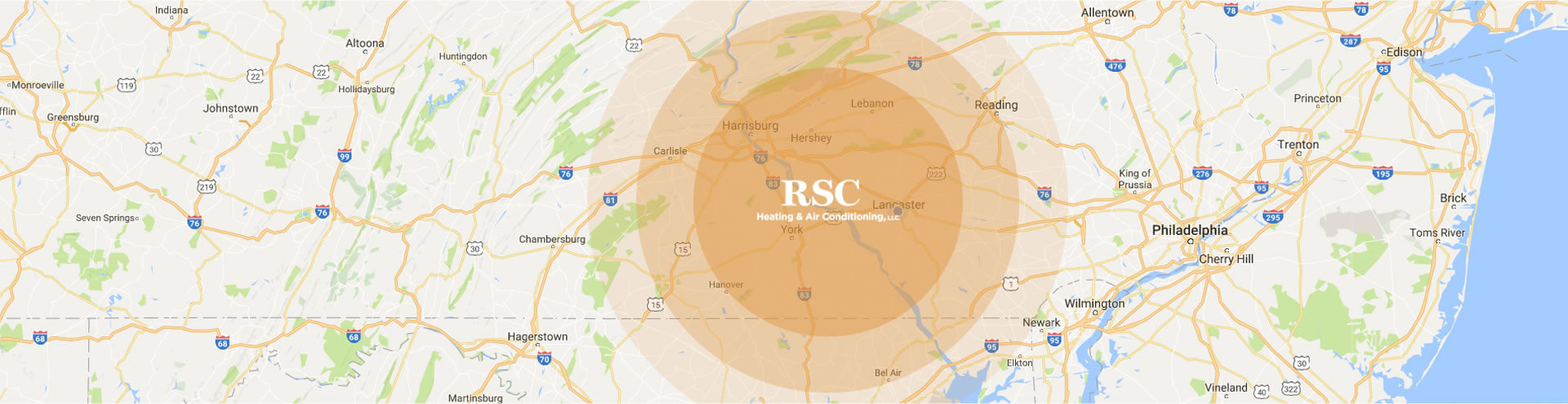
Keeping your home warm and comfortable during winter starts with a heating system that matches your home’s actual needs. Furnace sizing is not one-size-fits-all, especially in Lancaster County homes with varying construction styles and insulation levels.
RSC Heating and Air Conditioning can evaluate your current system, perform a proper load calculation, and recommend solutions that support efficient, consistent heating throughout the cold season.

Would you like to learn more? Contact the certified team at RSC Heating and Air Conditioning to ensure your home stays warm, efficient, and comfortable all winter long.