

A Susquehanna Valley Homeowner’s Guide for Spring and Summer Comfort

As spring arrives across the Susquehanna Valley, many homeowners in Lancaster, York, Dauphin, Lebanon, and Berks County begin thinking about summer cooling. Do certain rooms in your home never feel comfortable? Are you planning on adding new living space to your home this year? If so, a ductless mini-split system may be worth considering.
But how do you know which ductless solution is actually right for your home?
Let’s break it down in a way that makes sense for Central Pennsylvania homes and climate.
What Is a Ductless Mini-Split System?
A ductless mini-split is a heating and cooling system that does not rely on traditional ductwork. Instead, it consists of:
- An outdoor condenser unit
- One or more indoor air handlers
- A small conduit that connects them
Unlike older HVAC systems that turn fully on or fully off, mini-splits use inverter technology to adjust output based on demand. This makes them energy efficient and ideal for zoned comfort in your home.
They do not push air through ducts, so there is no energy loss from leaky ductwork. That’s a major benefit in older Lancaster homes where duct systems may be outdated or nonexistent.If you would like a deeper look at how these systems work, check out our guide on whether a ductless mini-split system is right for your home.
Why Ductless Systems Are Popular in Central PA

Ductless systems are popular in our region for several reasons.
Older Homes Without Ductwork
Many homes in Lancaster City, York City, and surrounding boroughs were built before central air became standard. Installing ductwork can be invasive and expensive in older homes. A ductless system provides cooling without opening walls or ceilings.
Sunrooms, Attics, and Finished Basements
Spring and summer humidity in Central PA can make certain parts of your home feel stuffy or hard to cool. This is especially true for rooms that were finished later or were never designed with central air in mind. Mini-splits are ideal for:
- Finished basements
- Attic conversions
- Garage apartments
- Sunrooms
- Home additions
Zoned Comfort for Families

If one person prefers cooler temperatures while another prefers it warmer, ductless zoning eliminates thermostat conflicts. Each indoor unit controls its own space independently.
Supplemental Cooling for Hot Spots
Some kitchens, rooms with large windows, or upper floors struggle to stay cool. A mini-split can support your central air system instead of forcing it to work harder.
If your central AC seems strained, this article may be able to help you diagnose the issue.
Single-Zone vs Multi-Zone Mini-Split Systems
The right setup depends on how many areas you want to heat and cool.
Single-Zone Mini Split
- One indoor unit
- One outdoor unit
- Designed for a single room or area
Best for sunrooms, offices, master bedrooms, or garage conversions.
Multi-Zone Mini-Split
- Multiple indoor units
- One outdoor condenser
- Independent temperature control in each zone
Best for whole-home solutions without ducts or multiple problem rooms.
The right choice depends on how much of your home you want to control independently.
Types of Ductless Indoor Units
Most homeowners think only of wall-mounted systems, but several styles are available.
Wall-Mounted Units

The most common and cost-effective option. Installed high on a wall, they distribute air efficiently throughout the room.
Ceiling Cassette Units
Installed flush within the ceiling, these offer a discreet appearance and wide airflow distribution. Ideal for open living areas.
Floor-Mounted Units
Mounted low along the wall, similar to a radiator. Useful when wall space or ceiling space is limited.
Concealed Duct Mini-Splits
Installed within ceilings and connected to short duct runs, these provide a cleaner appearance while still offering zoned control.
An experienced HVAC professional can determine which configuration works best for your layout and comfort goals.
How Much Does a Ductless Mini-Split Cost in Southeast PA?
Costs depend on:
- Number of zones
- Installation complexity
- Electrical requirements
- Brand and efficiency rating
Single-zone systems are generally more affordable upfront. Multi-zone systems cost more initially but may offer greater long-term comfort and efficiency benefits.
Financing options are available to make installation more manageable.
Do Mini Splits Work in Pennsylvania Winters?
Modern ductless heat pumps perform well in cold temperatures. However, many Central PA homeowners install them primarily for cooling and humidity control during spring and summer, while keeping their existing heating system in place.
Proper sizing and professional installation are critical to ensure year-round performance.
Energy Efficiency and Monthly Savings
Ductless systems are known for:
- Reduced energy waste
- No duct losses
- Zoned temperature control
- ENERGY STAR rated performance
In homes where central systems cool unused rooms, switching to zoned ductless cooling can reduce summer energy bills.
Are DIY Mini-Splits a Good Idea?
DIY mini-split systems are available online and in home improvement stores. They may seem like a good way to save money up front. However, installation mistakes can create bigger problems later.
Incorrect sizing can reduce efficiency and comfort. Poor installation can cause refrigerant leaks. Electrical errors may create safety concerns. In many cases, manufacturer warranties are voided if the system is not installed by a licensed professional.
Professional installation ensures the system is sized correctly for your space. It also ensures proper refrigerant levels, safe electrical connections, correct drainage, and balanced airflow. Done right, a mini-split should operate quietly, efficiently, and reliably for years.
Why Spring is the Ideal Time to Install
Spring is the best time to install a ductless system in the Susquehanna Valley because:
- Scheduling is more flexible before peak summer demand
- You avoid emergency breakdown situations
- Your system is ready before humidity spikes
- You ensure comfort before temperatures reach the upper 80s and 90s
Waiting until mid-summer often means higher demand and longer wait times.
Is a Ductless Mini-Split Right for You?
A ductless mini-split can be a smart solution if your home does not have ductwork. It’s also helpful if certain rooms never feel comfortable, no matter how you adjust the thermostat.
Many homeowners install mini-splits when finishing a basement, converting an attic, or building a home addition. Extending ductwork into these spaces can be expensive or impractical.
Mini-splits are also a good option if you want better humidity control during Pennsylvania summers. They allow independent temperature control in each zone, which helps reduce thermostat disagreements. In some homes, they also improve cooling efficiency when central air struggles to keep up.
That said, a central AC upgrade may still be the better long-term investment in some situations. If you are comparing options, this guide on choosing the right air conditioner can help.
Serving the Susquehanna Valley
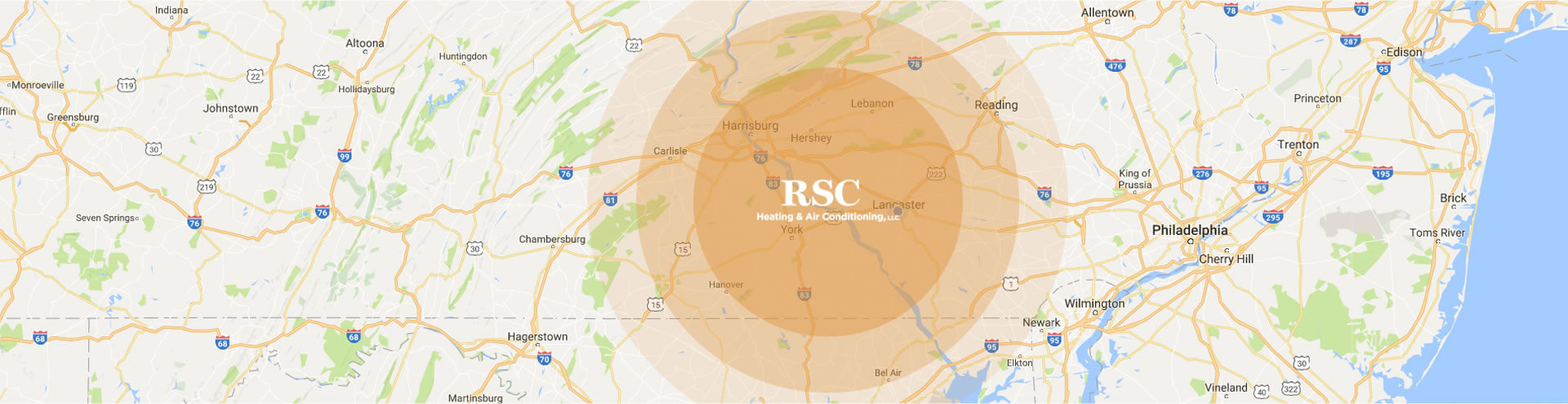
We proudly install ductless mini-split systems throughout:
- Lancaster County
- York County
- Dauphin County
- Lebanon County
- Berks County
- Chester County
You can view our full service area here.
If you are considering a ductless solution for your home, spring is a great time to explore your options. Our team can evaluate your space, explain the pros and cons clearly, and help you determine the right configuration for your comfort and budget.
Schedule a ductless consultation today and make sure your home is ready for summer.