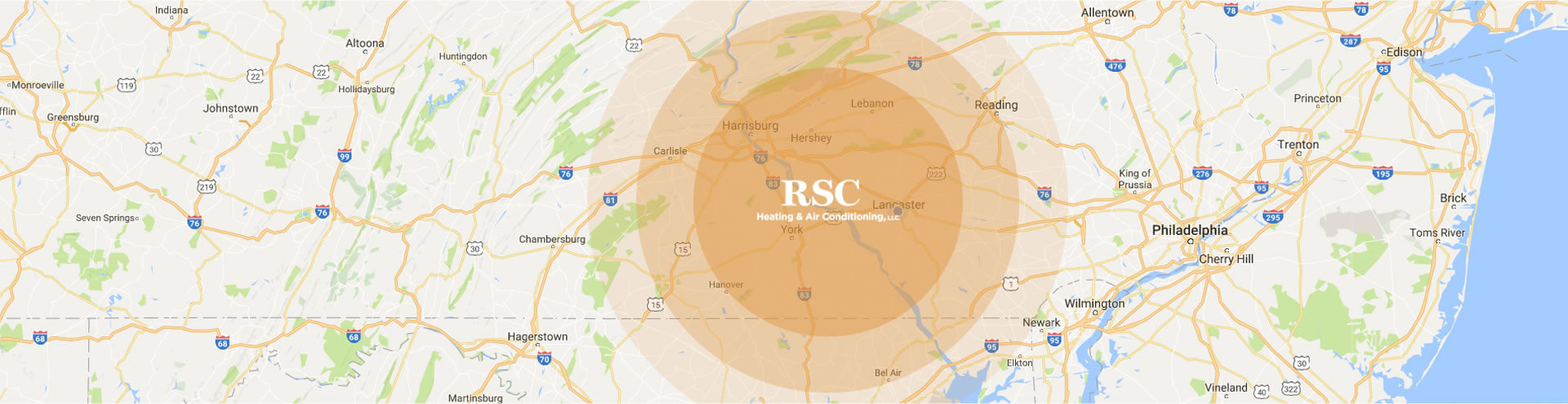


As energy costs rise and weather extremes become more common across the Susquehanna Valley, homeowners in Lancaster, York, Lebanon, Berks, Chester, and Dauphin Counties are asking how to make their homes more sustainable and efficient (without taking on a full renovation).
The truth is, you don’t need to overhaul your entire home to make a real impact. Strategic, affordable upgrades can dramatically improve comfort, reduce energy use, and protect the local environment all while saving money on your monthly utilities.
Below, we’ll cover the most effective eco-friendly home improvements and compare modern HVAC systems by energy source, efficiency, and overall cost.
How to Make Your Home More Eco-Friendly
1. Easy Changes to Make in the Kitchen
Your kitchen is one of the biggest energy users in your home, making it an ideal place to start improving efficiency. Small tweaks here can lower your utility bills and keep your HVAC system from overworking.
- Check Your Refrigerator Seal
If a piece of paper or dollar bill slides out of the closed door easily, it’s time to replace the seal. This simple repair will extend the life of the appliance, your food, and your HVAC system.
- Cook with Alternate Appliances When You Can
Toaster ovens, slow cookers, instant pots, grills, and fire pits use less energy than larger appliances and reduce changes to the indoor temperature (generating less demand on your HVAC system).

- Use Your Kitchen Exhaust Vent
This takes care of any excess heat and humidity that could affect your HVAC unit’s efficiency.
2. Practice a Low-Waste Lifestyle
Reducing waste lowers emissions from landfills and manufacturing operations.
- Compost Food Scraps and Yard Waste
- Purchase Refurbished or Sustainably Made Furniture and Appliances
- Choose Durable Items Over Disposables
These choices help maintain cleaner communities.
3. Eco-Friendly Landscaping for Pennsylvania Homes

- Reduce Your Home Cooling Needs with the Right Plants
Planting shade trees and prioritizing drought tolerant native plants keeps your home cool and conserves water. This also supports the area’s pollinator population since many native plants put out beautiful flowers.
For a deeper look at how shade trees improve efficiency, see our post 5 Reasons to Plant Shade Trees on Your Property, where we explore the best native tree species for York County and how much they can lower cooling costs.
- Skip Chemical Fertilizers and Pesticides
They might seem like the only way but using them pollutes the waterways and kills off beneficial insects that keep pests under control. Try a neem and soapnut solution instead and accomplish both objectives with one application (just be sure to wait to spray until the heat and sunshine subside to avoid burning the plants – the evening is best).
These changes will improve biodiversity and reduce runoff and erosion. Homeowners in Lebanon and Berks Counties can see an especially big payoff from native landscaping. These areas have heavier clay soils and higher summer humidity, meaning deep-rooted native plants can prevent runoff and help local pollinator species thrive.
4. Manage Stormwater and Reduce Runoff
Cleaner runoff protects waterways like the Susquehanna River and the Chesapeake Bay.
- Install Natural Stormwater Filters
Replace solid concrete with gravel or native plant beds. Rain gardens and permeable driveways clean the water as it passes into the earth and toward the waterways.
- Set Up Rainwater Barrels
No need to pay for gardening water, just collect and repurpose rainwater.
These strategies help prevent erosion and reduce pollution; which is particularly useful in Berks, Chester, and Dauphin Counties.
5. Reduce Indoor Pollutants and Energy Waste
According to the U.S. Energy Information Administration, Pennsylvania households spend an average of $2,300 per year on energy—nearly 10% above the national average. Reducing HVAC energy use by even 10% can save more than $200 annually.
- Use Smart Power Strips
Switch off your devices overnight with one click. Phones, TVs, gaming consoles, computers, and printers all draw energy every minute that the cords are plugged in (even when it’s off).
This post explains where most of your home’s energy costs come from – heating, cooling, water heating, and more – and offers actionable tips to reduce each category: Understanding Your Home Energy Bill Breakdown.
See how your HVAC system impacts your monthly bill and learn simple ways to cut energy costs.
- Use Cold Water to Clean Laundry
Cold water is shown to clean just as effectively as hot or warm water and it preserves the color in your clothing. Making this change lowers your energy usage.

- Wrap Your Hot Water Heater
If your tank is in a basement or garage, prevent heat loss and wasted energy by wrapping your tank with an insulating blanket.
- Drain Your Hot Water Heater Tank Regularly
A great way to improve the heat transfer efficiency of your hot water heater is by removing sediment buildup. You should have your hot water heater sediment flushed at least once a year, or every six months if you’re noticing an exceptional amount of build up.
- Install a Whole Home Air Purifier
This extra step in your HVAC system goes a long way. Cleaner air supports better health and reduces the strain on your HVAC system. It captures allergens, unhealthy microbes, and fine particles before they reach the inside of your unit. Trapping them early keeps you and your HVAC unit healthy and pollution-free.
Signs Your Home Air Quality Needs an Upgrade. This article outlines the common signs your home’s air quality needs an upgrade – from lingering odors and unexplained dust to frequent allergy symptoms and rising energy bills – and explains how installing a whole-home air purification system can make a measurable difference.
Schedule an indoor air quality consultation with RSC Heating & Cooling today and breathe easier knowing your home is covered.
- Use Smart Thermostats and HVAC Zoning
Introducing this technology doesn’t have to be high-tech. For more precise heating and cooling controlling your airflow and temperature more closely keeps your energy usage low.
Browse our smart thermostats and Use zoning to dial in your home comfort.
- Upgrade to Energy-Efficient Light Bulbs
LED light bulbs use up to 90% less energy than traditional incandescent bulbs. Making this change will ease up any frustrations if you find the lights left on again.

- Use Ceiling Fans
Tailoring your ceiling fans to the season will circulate air and reduce hot and cold spots in your home.
Summer: Run fans counterclockwise to create a cool breeze.
Winter: Flip the switch to clockwise on a low setting to circulate warm air below instead of it rising to the ceiling.
Read about Ways to Keep Your Home Cool in this article that outlines practical strategies for managing your home in warm weather.
- Schedule Seasonal HVAC Maintenance to Maintain Efficiency
Preventative measures in the spring and fall are the best way to care for your unit.
RSC Heating and Cooling offers a preventative HVAC maintenance plan for customers that includes discounts and price breaks on upgrades and repairs.
6. Improve Home Insulation and Air Sealing
Proper insulation helps your HVAC system work more efficiently which saves you energy and money.
- Seal Air Leaks
Doors, windows, and ducts can be insulated with caulking or weatherstripping.
- Add Attic Insulation
The recommended insulation rating is between R-22 to R-49. The best type depends on your home and insulating needs.
- Upgrade Your Windows
Double-pane and triple-pane Energy Star windows will keep the outside temperatures out and ensure a difference that you can feel. Adding screens will enhance this effect.Follow this winterizing checklist to keep your heating system running efficiently all season long: The Pennsylvania Homeowner’s Step-by-Step Guide to Winterizing Your Home.
A seasonal checklist that helps Pennsylvania homeowners seal leaks, insulate key areas, and prepare HVAC systems for freezing temperatures.
7. Choose Cleaner Backup Power
Traditional gasoline or diesel generators create harmful emissions.
- Use Propane, Natural Gas, Solar, or Hybrid Solar-Battery System Generators
If you’re frequently using this backup power source, cleaner energy options will create less pollution, and in some cases less noise than traditional gasoline or diesel generators.
8. Switch to Renewable or Low-Impact Energy Systems
Renewable systems lower carbon emissions and air pollution in your neighborhood.
- Install Solar Panels
This upgrade offsets grid electricity and has the potential to earn you energy credits.
- Upgrade to a Heat Pump
Cut fossil fuel use by up to 65% by using the heat of the earth or air to generate powerful heating and cooling for your HVAC system (this is available as either air-sourced or geothermal). Modern cold-climate heat pumps can efficiently heat homes even below freezing temperatures.
Learn More: Geothermal Heat Pumps
- Replace Outdated HVAC Equipment
Upgrading to an Energy Star-certified system reduces your home’s energy demand and lowers your monthly energy bills.
In regions like Lancaster and York County, where the energy grid still relies partly on fossil fuels, every kilowatt-hour saved directly improves the local air and water quality.
9. HVAC Systems: The Heart of Home Energy Efficiency
Your HVAC system accounts for nearly half of your home’s energy use – making it one of the most important areas for sustainable improvement.
This guide helps homeowners identify when it’s time to replace their furnace or heat pump and how to choose a system that balances comfort, efficiency, and budget: Heating System Replacement Tips for Pennsylvania Homes.
Find out if your system is due for an upgrade and discover the best replacement options for your home.
HVAC Installation Cost Comparison in Pennsylvania
| System Type | Environmental Impact | Energy Source | Best for | Average Lifespan | Maintenance Needs | Installation Cost Range | Pros | Cons |
| Central HVAC | Low | Electricity | Most PA homes | 15-20 years | Annual tune-up (check refrigerant, coils, electrical, drainage); regular filter & coil cleaning; duct inspection | $6,000–$25,000 | Highly efficient, provides both heating & cooling, lower carbon footprint | Reduced efficiency in extreme cold (may need backup), higher upfront cost |
| Geothermal | Minimal | Earth-loop heat exchange | Long-term homeowners | 20-25+ years | Low mechanical maintenance; periodic loop pressure & fluid checks; annual tune-up | $15,000–$40,000+ | Extremely efficient, stable year-round comfort, qualifies for major tax credits | High upfront cost, eligibility is site-dependent drilling/loop installation |
| HE Gas Furnance | Moderate | Natural Gas | Homes with existing gas service | 15-25 years | Annual inspection & cleaning; filter changes; burner & vent maintenance | $4,000–$15,000 | Reliable in cold climates, wide availability, efficient modern units | Fossil-fuel use, rising gas prices, requires venting & CO monitoring |
| Ductless Mini Split | Low | Electricity | Zoned homes, home additions, homes without ductwork. | 10-15 years | Clean filters; annual refrigerant, electrical, & drainage checks; clear outdoor unit | $1,500–$12,000+ | Flexible installation, excellent efficiency, quiet operation | Higher cost per zone, filters need frequent cleaning |
| Oil Furnace | High | Heating Oil | Rural Homes Without Gas Access | 15-25 years | Annual tune & cleaning; nozzle & combustion adjustment; tank inspection | $4,000–$10,000 | Strong heat output, compatible with existing oil setups | Fuel delivery needed, higher carbon emissions, soot buildup risk |
| Hybrid System (Heat Pump + Gas) | Moderate | Electric + Gas | Homes seeking lower energy bills | 15-25 years | Annual service for both systems; verify controls & switching logic | $8,000–$25,000+ | Balances efficiency & comfort, automatic switching for best performance | More complex setup, higher installation cost |
How to Transition to a Greener HVAC System Affordably
1. Take advantage of Energy Efficient Home Tax Credits and Local Government Programs.
Energy Efficient Incentives for Pennsylvania Homeowners
| Program | Description | Areas Eligible | Potential Savings |
| Energy Efficient Home Improvement Credit | Tax credit: 30% of cost for many energy-efficiency improvements (includes heat pumps, insulation, etc.). | Entire US | Up to $600 for many improvements, and up to $2,000 for heat pump upgrades |
| Home Electrification & Appliance Rebate Program (Pennsylvania) | Rebates (point-of-sale) for electrification upgrades (heat pumps, high-efficiency appliances, panel/service upgrades). | All of Pennsylvania | Up to ~$8,000 for heat pump costs; up to ~$14,000 per household for eligible electrification projects. |
| Residential Products Rebate Program (FirstEnergy Pennsylvania utilities) | Rebates on HVAC & other appliances for customers of FirstEnergy’s PA electric companies (Met-Ed, Penelec, Penn Power, West Penn). | Service territory of FirstEnergy PA utilities (some areas in PA) | For example: up to ~$500 rebate for air-source heat pump; ~$250 for central A/C in some cases. |
| Equipment Rebate Program – UGI Electric | Rebates for electric heating & cooling equipment including mini-split heat pumps, central A/C, air-source heat pumps for UGI Electric customers. | UGI Electric service area (in PA) | Up to ~$1,250 for mini-split heat pump; ~$400 for air-source heat pump water heater. |
| Upgrade & Save Pennsylvania Rebate Program | Rebates for upgrading existing oil-fired furnaces, boilers, or storage tanks; supports higher-efficiency equipment. | Pennsylvania statewide (oil-heat homes) | Up to ~$500 for replacement of oil-fired boiler/furnace; combined with federal tax credits could reach ~$1,600. |
| PPL Electric Utilities Home Equipment Rebate Program | Incentives for heating & cooling upgrades (heat pumps, ductless mini-splits, central A/C) via PPL Electric. | PPL Electric service territory (includes parts of PA) | Rebate up to ~$300 for central A/C; ~$400 for outdoor unit; bonuses for other equipment. |
2. Explore HVAC Financing Options
RSC Heating & Cooling offers 0% financing for up to 60 months on select Carrier HVAC systems, allowing you to upgrade to an energy-efficient system without a large upfront cost.
3. Get a Professional Home Energy Assessment
Before replacing your HVAC system, we can inspect the insulation, ductwork, and ventilation to ensure that the source of your home climate control problems is the HVAC system and not an other factor like a lack of insulation or leaking ducts.
4. Consider a Hybrid HVAC System
If you’re not ready to fully upgrade your current system, a hybrid system (combining a heat pump and a gas furnace) offers efficiency and reliability for all-season comfort.
Eco-Friendly Living in Lancaster PA
Building an eco-friendly home in the Susquehanna Valley starts with small, impactful steps. But eco-friendly improvements are not one-size-fits-all.
Whether you start with a simple kitchen fix or a full HVAC upgrade, each change moves your home toward a cleaner, more efficient future.
Our team can help you identify which upgrades make the biggest difference based on your budget, home size, and county regulations. From improving insulation to installing a high-efficiency heat pump, each change helps create a cleaner, healthier environment for everyone.
Our certified technicians can help you:
- Select the most efficient system for your home
- Prioritize local and federal rebates
- Finance your upgrade with flexible options
Schedule your eco-friendly HVAC consultation with RSC Heating and Cooling today, and start saving energy one upgrade at a time.