

What Lancaster County and York County Homeowners Should Check This Spring
Spring weather in Central PA changes very quickly. One week it’s cool and rainy, the next it’s humid and pushing 80 degrees! If your central air conditioner struggled last summer, early spring is the time to address it before the heat and humidity arrive.
Maybe you noticed your system running constantly, but never quite cooling the house. Perhaps your electric bill climbed even though your thermostat stayed the same. Or, maybe the air coming from your vents doesn’t feel as cold as it used to.

When those symptoms show up, many homeowners in the Susquehanna Valley start wondering:
“Does my AC just need more Freon?”
It is a common assumption. But the answer isn’t always that simple.
Air Conditioners Do Not “Use Up” Freon
Many people think refrigerant works like gasoline in a car and naturally runs low over time. However, that’s not how air conditioning systems operate.
Your central AC system is sealed. Refrigerant, often called Freon, cycles through the system to remove heat from your home. If refrigerant levels are low, it means there’s probably a leak somewhere in the system.
Adding more Freon without fixing the leak is just a temporary solution.
R-22 vs. R-410A: What Central PA Homeowners Should Know
If your AC system was installed before 2010, it may use R-22 refrigerant. Today, this product has been phased out due to federal environmental regulations. That means:
- R-22 is expensive
- Supplies are limited
- Major repairs may not be cost-effective
Most newer systems use R-410A, which is more environmentally friendly and readily available.If your older system has a refrigerant leak, it may make more financial sense to consider replacement instead of repeated recharges. If you are unsure, this guide on choosing the right air conditioner for your home can help.
Signs Your AC May Be Low on Freon
Freon is generally odorless, although some people report an almost sweet chemical smell similar to nail polish present with large freon leaks. Ultimately, smell alone isn’t a reliable way to determine if you have a freon leak.
As temperatures start rising across South-East PA, watch for these warning signs:
Your Home Will Not Cool Down
If your AC runs constantly but indoor temps remain high, low refrigerant could be the reason.
Higher Than Normal Electric Bills
When refrigerant levels are low, your system works harder and runs longer cycles. Unfortunately, many homeowners first notice the problem when their energy bills spike.
Warm Air Coming from Vents
Place your hand near a vent while the system is running. If the air feels room temperature or warm, a refrigerant imbalance could be part of the issue.
Ice on the Refrigerant Line or Outdoor Unit
Low refrigerant can cause pressure changes that lead to frozen coils, even during warmer weather.
Hissing or Bubbling Noises
These sounds often indicate a refrigerant leak along the refrigerant line or inside the evaporator coil.
Why Spring is the Best Time to Address AC Issues

Summer weather can bring whopping heat and humidity to Central PA, and summer moisture adds significant strain to cooling systems. Waiting until July or August to fix a refrigerant issue can result in:
- Compressor damage
- Emergency service calls
- Days without cooling
- Higher repair costs
A spring AC inspection allows technicians to check refrigerant levels, test pressures, inspect coils, and identify small issues before they become major breakdowns.
For additional seasonal tips, review this Pennsylvania homeowner’s guide to spring maintenance.
What Causes Refrigerant Leaks?
Refrigerant does not disappear on its own. Common causes of leaks in homes include:
- Corrosion from moisture exposure
- Vibration damage to copper lines
- Worn service valves
- Coil deterioration
- Improper installation
Homes located near farmland or high pollen areas, which are common in Lancaster and Lebanon County, may experience additional outdoor buildup that can contribute to long-term wear.
Should You Check or Add Freon Yourself?

No. Refrigerant handling is regulated by federal law. Only licensed HVAC professionals can legally measure, recover, and recharge refrigerant.
Improper handling can damage your compressor, void warranties, and create safety hazards.
How Much Does an AC Recharge Cost in Central PA?
Costs depend on several factors:
- Type of refrigerant
- Amount required
- Location of the leak
- Whether parts must be replaced
Minor leak repairs with a recharge are typically moderate in cost. Major coil replacements are more significant investments. Older R-22 systems often make replacement a smarter long-term choice.
When Replacement Makes More Sense Than a Recharge

You may want to consider replacement if your system:
- Is more than 12 to 15 years old
- Uses R-22 refrigerant
- Requires repeated refills
- Struggles with humidity control
- Has increasing repair costs
A new system can lower monthly energy bills, improve humidity control, and operate more quietly. Many homeowners also improve indoor air quality at the same time with solutions like whole home air purifiers.
Could it Be Something Else?
Not all cooling problems are related to refrigerant. Other common spring issues include:
- Dirty coils
- Clogged condensate drains
- Failing capacitors
- Thermostat calibration problems
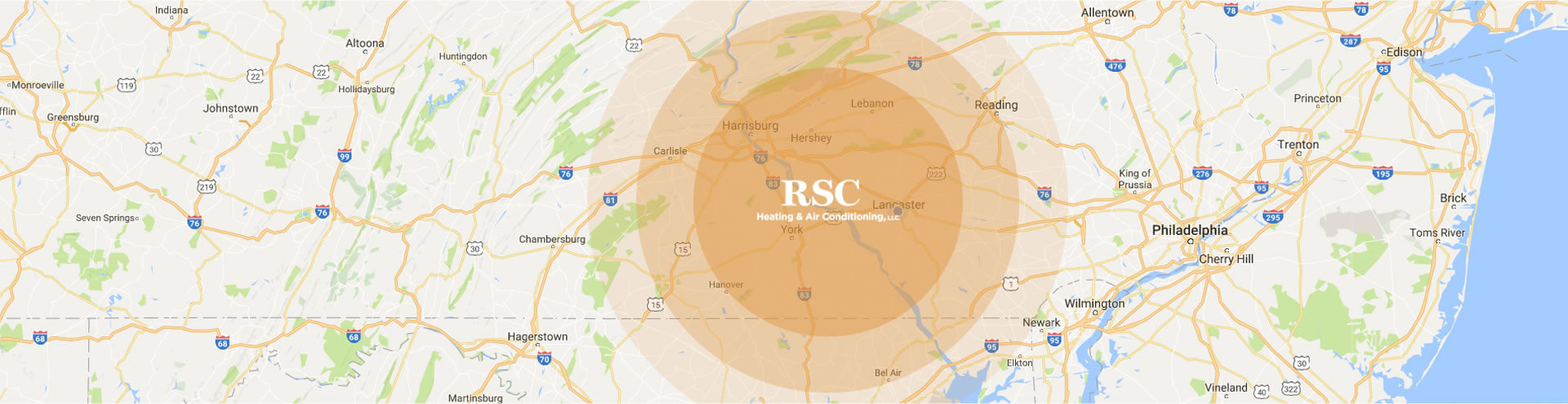
Serving the Susquehannah Valley
We proudly serve homeowners across:
- Lancaster County
- York County
- Dauphin County
- Lebanon County
- Berks County
- Chester County
If your AC is not cooling properly, do not wait for the first 85-degree day. Spring is the ideal time to schedule an inspection and ensure your system is ready for summer.
Reach out today to schedule your AC check and ensure your home stays comfortable all season long.